Fix these three things before you buy wheels
- Tires. Most stock tires prioritize durability and low cost over rolling resistance and grip. A $60-$100 tire swap is cheaper than any wheelset and often changes how the bike feels more noticeably.
- Tire pressure. Overinflated tires increase rolling resistance on anything but perfectly smooth pavement. This costs nothing to fix and takes five minutes.
- Bike fit. Discomfort or fatigue after an hour in the saddle is more often a fit issue than a wheel issue. A professional fit or careful self-fit check delivers more real-world benefit per dollar than most wheel upgrades.
Signs it actually is time for new wheels
Once tires, pressure, and fit are sorted, these are the honest signals a wheelset upgrade is the right next move: the wheels won't hold true after a shop truing, the hubs feel notchy or loose when you spin them by hand, the rim's braking track is visibly worn (rim brakes only), or the bike simply feels dull and slow to accelerate on rides where your fitness hasn't changed.
Upgrade now iftires, pressure, and fit are already dialed in, your current wheels show real wear or feel notably heavy, and you ride often enough to notice a difference.
Wait ifyour tires are worn or overinflated, you haven't had your fit checked, or your drivetrain is skipping or worn, since any of those will bother you on every ride regardless of the wheels underneath.
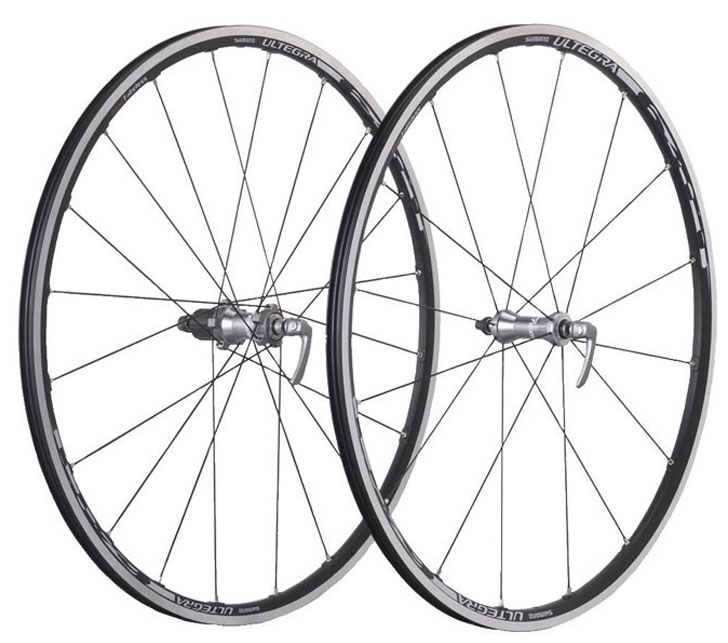
Archive-sourced, 2010The Shimano Ultegra WH-6700, a common first-upgrade wheel from stock, sold for about$650 new in 2010. That same tier of upgrade, a genuine step above stock without moving into carbon, currently runs roughly $400-$700.