WheelsetsNo affiliate linksResearch-based
We tell you which wheels are actually worth it, and which aren't.
BikeWheelsets compares road-bike wheelsets on published specs, manufacturer data, and rider consensus from forums and long-term reviews. We are not a retailer, we don't run ads, and we don't have affiliate links yet, so there's no commission steering a recommendation toward the pricier option. Every comparison names who should skip the upgrade, not just who should buy it.
Archive-sourced, 2010A Shimano Ultegra WH-6700 alloy wheelset sold for about $650 new. A comparable mid-tier alloy wheelset today typically runs$300-$700, per current retailer listings. The entry tier hasn't moved much in fifteen years, even as carbon has gotten cheaper.
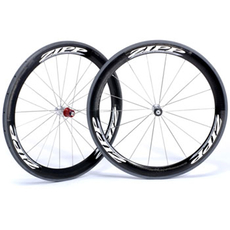
Archived manufacturer product photo, Zipp 404 Tubular (2010-era model, shown for illustration of a deep-section carbon tubular wheel).