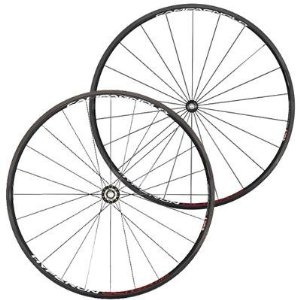
Quick definitions: Ceramic bearings use ceramic balls, typically silicon nitride, instead of steel balls inside the same basic bearing race, marketed on lower friction and better corrosion resistance. Steel bearings are the traditional, far more common choice, using standard steel balls, usually with grease lubrication.
What actually differs
What the watt-savings number actually depends on
Independent lab testing has found real but modest gains, roughly 1-2 watts per hub under controlled, clean conditions. Outside the lab, dirt, water, and inconsistent lubrication can erase much of that advantage, which is the central honest caveat most ceramic bearing marketing leaves out. It's a real technology, not a scam, but the lab number and the road number are not the same thing.
Who the archive's example actually targets
Campagnolo's CULT system pairs ceramic bearings with oil lubrication specifically to address the durability and corrosion questions that pure ceramic-in-grease systems face, a more complete engineering approach than just swapping ball material. It's also priced accordingly: the Bora Ultra Two's roughly $4,000 archive-era price reflects CULT as one part of a broader premium package, not a standalone bearing upgrade.
Ceramic bearings make sense ifyou're a competitive racer or time trialist who has already optimized tire pressure, aerodynamics, and fit, and you're chasing genuinely marginal gains where 1-2 watts per hub matters.
Steel bearings are the better value ifyou ride in variable weather or on debris-prone roads where contamination will likely offset the lab-measured advantage, or you haven't yet addressed bigger-impact upgrades like tire choice and position.
Note on pricingOne current-generation example cited a $300 price difference between an otherwise identical ceramic-bearing and steel-bearing wheelset, roughly in line with the premium Campagnolo's CULT system commands as part of its overall Bora Ultra Two pricing in the archive.